Why Jasper Homes Face More Roof Leaks Than You Think
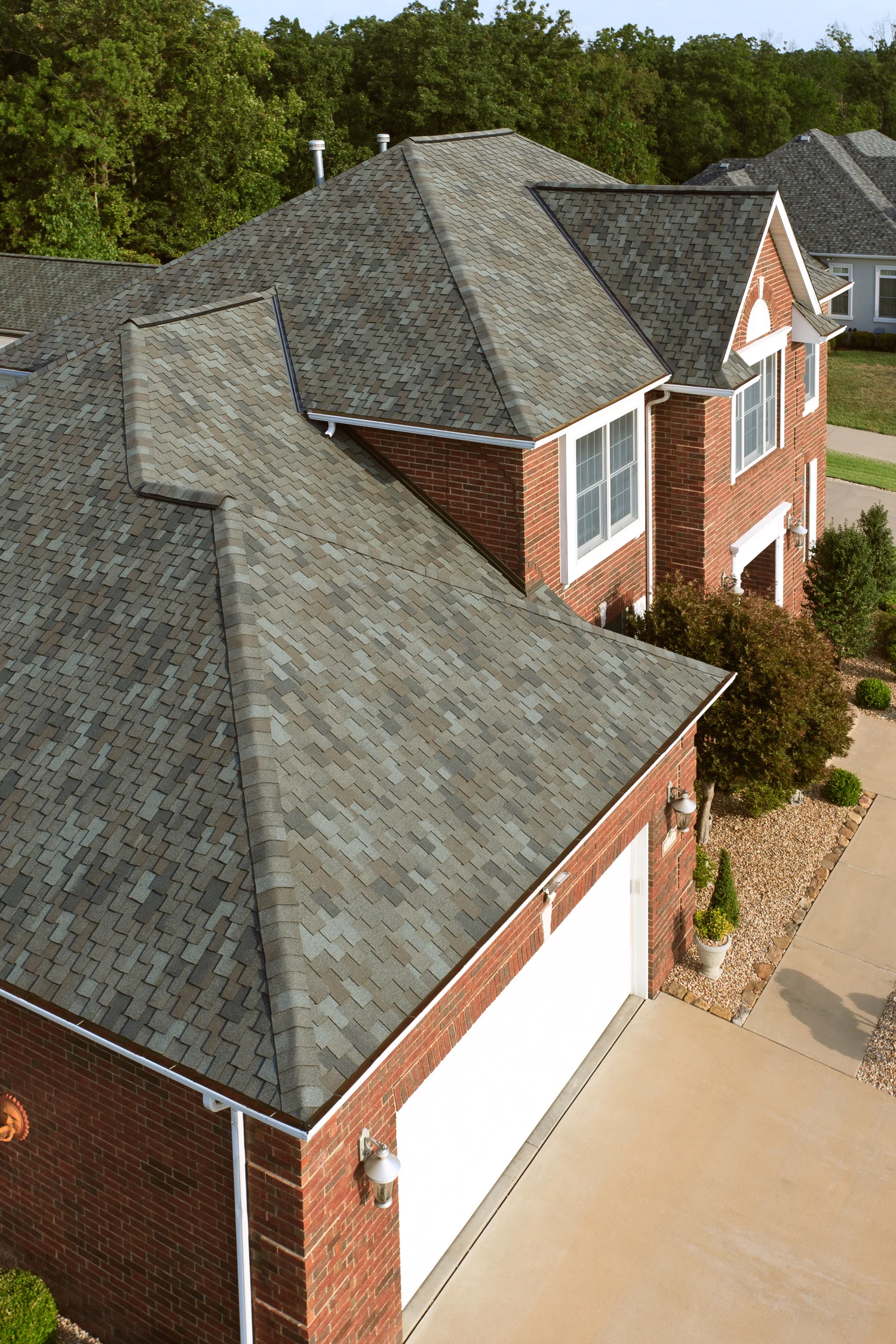
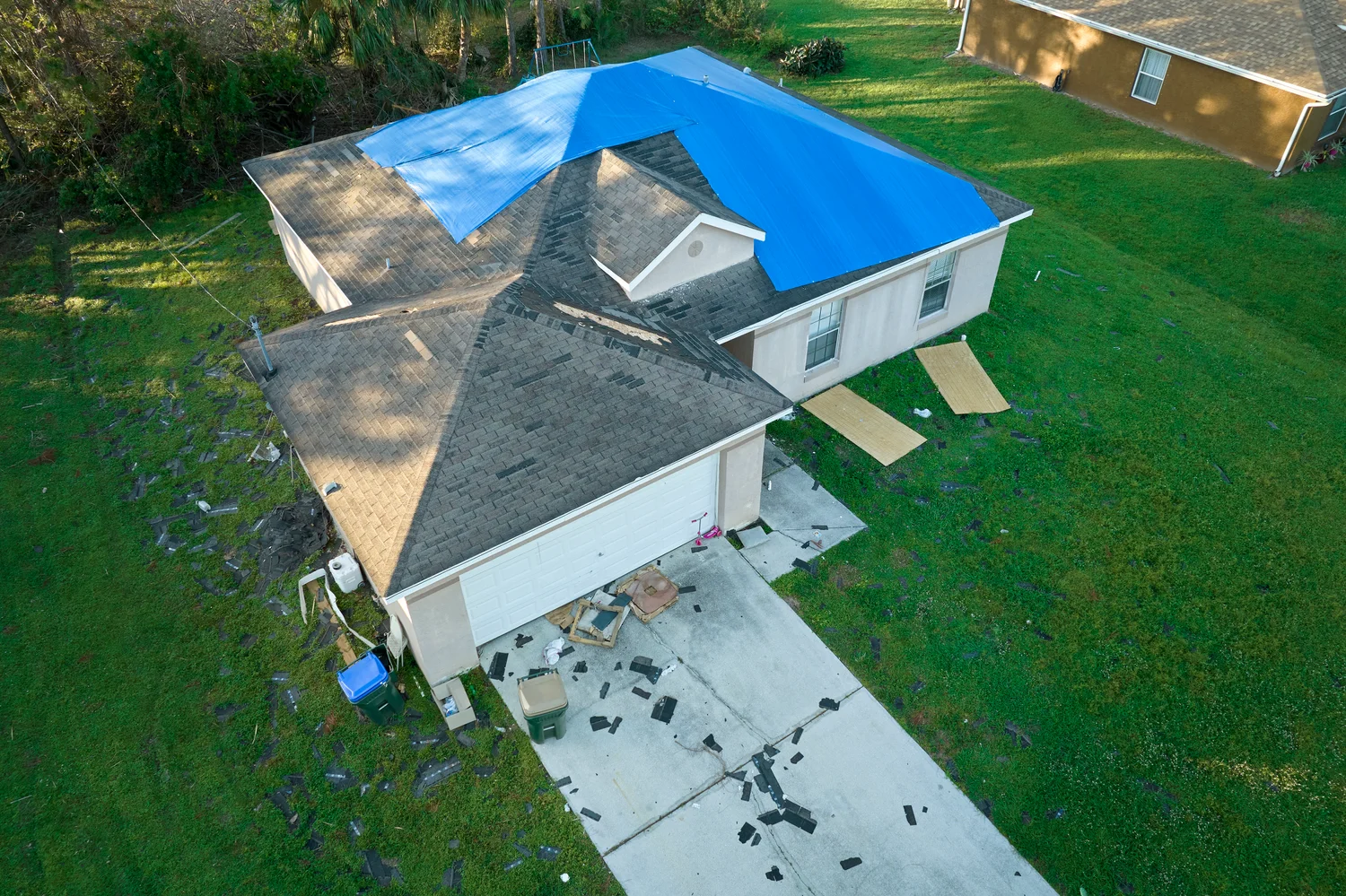
Roof leaks aren’t just a problem after a major storm—they’re often the result of slow wear and tear, and in Jasper, those conditions show up all year long. Between the heavy spring and fall rains, long periods of humidity, and strong sun exposure in summer, roofing materials in Walker County take a beating in ways that aren’t always obvious.
At Miller Roofing, we’ve repaired thousands of leaks that started with something simple: a cracked boot, a clogged gutter, a loose shingle tab. The problem is that most leaks stay hidden for a while. Water gets in behind the scenes, damaging insulation, drywall, and wood framing long before anyone notices a ceiling stain.
And by the time you spot the signs? It’s no longer a small issue.
Local Conditions Create Perfect Leak Conditions
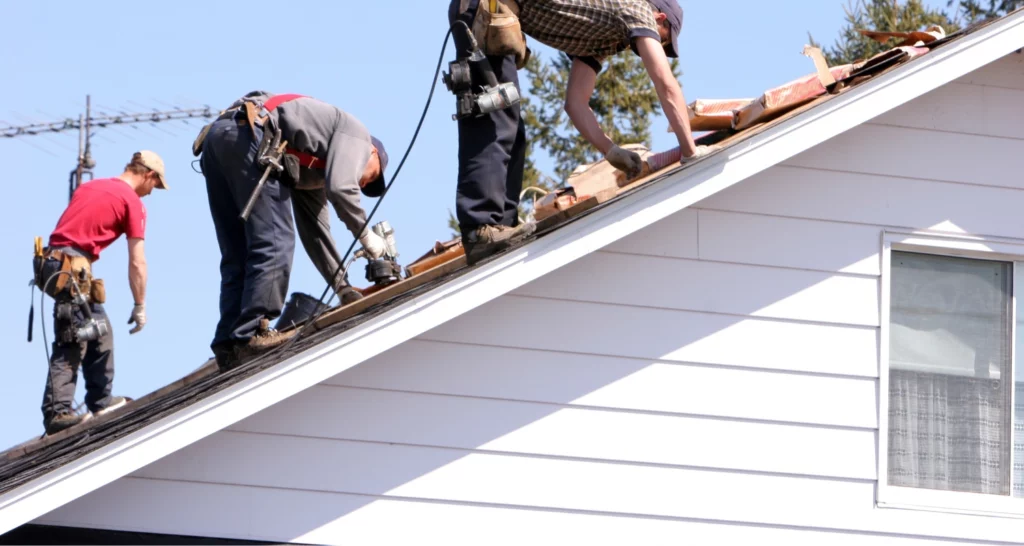
In Jasper, it’s not just about how much rain falls—it’s how long moisture sticks around. Humid conditions slow down evaporation, which means wet shingles, flashing, and underlayment stay saturated longer. Add that to wind-driven rain, sudden pressure changes, and rapid shifts in temperature, and you’ve got a recipe for roof failure.
We see it all the time:
- Heavy rain overwhelms poorly sloped gutters
- Sun-baked sealant cracks and lets in water
- Flashing pulls back from brick chimneys after years of movement
These aren’t one-off problems—they’re patterns we know how to spot and fix.
Leaks Start Small—But Get Expensive Fast
Most homeowners in Jasper don’t realize they have a roof leak until it’s been causing damage for weeks—or months. And unlike a blown shingle or storm tear, slow leaks usually don’t announce themselves right away.
What starts as a soft spot under the roof deck can lead to:
- Sagging ceilings
- Mold growth in attic insulation
- Electrical issues from moisture exposure
- Expensive structural damage that could have been avoided
That’s why Miller Roofing takes every roof leak seriously—even the “small ones.” Because we’ve seen what they become when they’re ignored.
1. Damaged or Missing Shingles
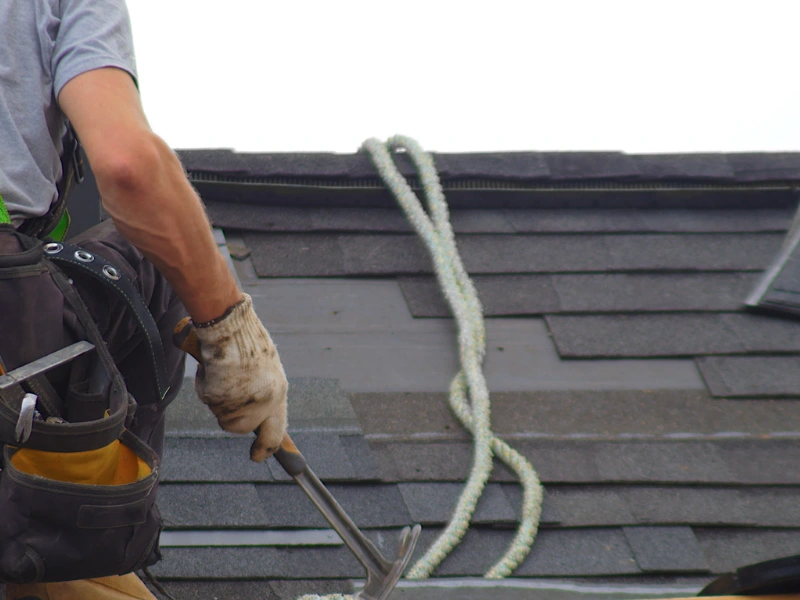
Shingles are the first line of defense against water—and when even one goes missing, your roof is exposed. In Jasper, damaged or missing shingles are one of the top causes of roof leaks, especially after high winds, extreme heat, or sudden weather shifts. Most homeowners don’t realize how vulnerable their roof becomes after a few tabs lift or crack, but it only takes one exposed seam for water to start slipping in.
At Miller Roofing, we see this issue most often after spring storms and mid-summer heatwaves. Granule loss, thermal cracking, and wind lift all compromise the roof’s integrity, even if everything looks fine from the street.
How It Happens
- Wind damage: Summer and fall storms in Jasper often bring gusts strong enough to lift or tear off shingle sections, especially near edges or ridges.
- UV exposure: Prolonged heat weakens asphalt, causing it to crack, curl, or lose its protective granule coating.
- Aging materials: Older shingles lose flexibility, making them brittle and prone to breaking or blowing off in sudden weather.
The problem? These weak spots let water reach the underlayment—and once it’s there, it spreads fast, often between layers, unseen.
How to Fix It
- Replace individual shingles if damage is localized. A trained roofer can match the profile and color to restore protection without a full replacement.
- Inspect surrounding shingles for early signs of failure—like soft edges, curled corners, or missing granules.
- Upgrade to wind-rated materials built for Alabama’s climate. Miller Roofing recommends shingles that are tested to withstand 130+ mph gusts—ideal for Walker County conditions.
- Act quickly. Delaying even small repairs increases the chance of a leak reaching your insulation or roof deck.
Miller Roofing responds fast to these repairs because we know from experience—ignoring a missing shingle in October often turns into a major leak in December.

2. Faulty Flashing Around Chimneys and Vents
Flashing is what keeps water from slipping into the weak spots where your roof meets something else—like a chimney, skylight, dormer, or vent pipe. And when that flashing fails? Leaks follow fast. In Jasper, we see flashing-related leaks almost weekly, especially on homes 10+ years old or those that have had prior “patch” work done.
Flashing may be just a thin layer of metal, but it does a big job. When it’s bent, rusted, lifted, or improperly sealed, water finds its way underneath—often dripping down walls, soaking insulation, or collecting where you can’t see it.
How It Happens
- Improper installation: One of the biggest problems we see is flashing that was never properly layered or sealed to begin with. Water gets in on day one—and causes damage for years.
- Rust or corrosion: In Jasper’s humid climate, flashing made from galvanized steel can start to rust over time, weakening the seal.
- Shifting materials: Chimneys and vent pipes can expand or move slightly with temperature swings. If flashing isn’t flexible or secure, it pulls away and creates gaps.
- Old sealant: Sealants around flashing joints can dry out, crack, and fail after just a few years of sun exposure.
Once flashing fails, water usually travels along the path of least resistance—often far from where the actual leak appears on the ceiling.
How to Fix It
- Replace damaged or corroded flashing with properly cut and overlapped metal sections—usually step flashing or custom counter flashing, depending on the area.
- Remove old sealant and re-bed new flashing into the roofline using flashing cement or high-grade sealants.
- Check structural connections around brickwork or vent boots to make sure movement hasn’t shifted the seal.
- Address the leak path, not just the symptom. At Miller Roofing, we follow water trails to the source—not just where it shows up inside the home.
Flashing issues are sneaky. That’s why they’re one of the most misdiagnosed roof leaks we see—and why they’re so important to fix right the first time.
3. Clogged or Overflowing Gutters
Gutters aren’t just there for looks—they’re your roof’s drainage system. When they clog, overflow, or pull away from the fascia, they stop doing their job. In Jasper’s rain-heavy seasons, that’s a fast track to roof leaks, siding damage, and even foundation problems. And yet, clogged gutters remain one of the most overlooked causes of roof issues in the homes we service.
We’ve repaired dozens of roofs where the leak wasn’t coming through the field of the roof at all—it was coming in from the sides, behind the gutters, or through rotted fascia boards soaked by months of overflow.
How It Happens
- Debris buildup: Fall leaves, pine needles, and asphalt granules from aging shingles all collect in the gutter troughs and downspouts.
- Poor slope or sagging hangers: If the gutters don’t slope properly or are pulling away from the fascia, water pools instead of flowing out.
- Blocked downspouts: Even if the gutter looks clean, a blocked downspout can back water up across the entire edge of the roof.
- Freeze-thaw in winter: In colder months, standing water can freeze, causing gutters to crack, pull loose, or push water back under the shingles.
Once water starts flowing the wrong way—back onto the roof or into the siding—it creates damage that goes far beyond just the gutters themselves.
How to Fix It
- Clean gutters and downspouts seasonally, especially after leaf drop in late fall and before spring storms hit.
- Install gutter guards or screens to reduce future buildup while allowing water to flow freely.
- Secure gutter hangers and re-establish proper pitch so water flows toward the downspouts without pooling.
- Inspect fascia and soffit boards for signs of moisture damage. If they’re soft, swollen, or stained, they may need replacement to prevent future leaks.
- Re-seal roof edges where water may have backed up under the shingles—especially if leaks are already showing indoors.
At Miller Roofing, we look beyond the roof surface—because sometimes the leak isn’t in the roof at all. It’s in the drainage. And if that drainage system fails, the roof will follow.
4. Worn or Cracked Pipe Boots
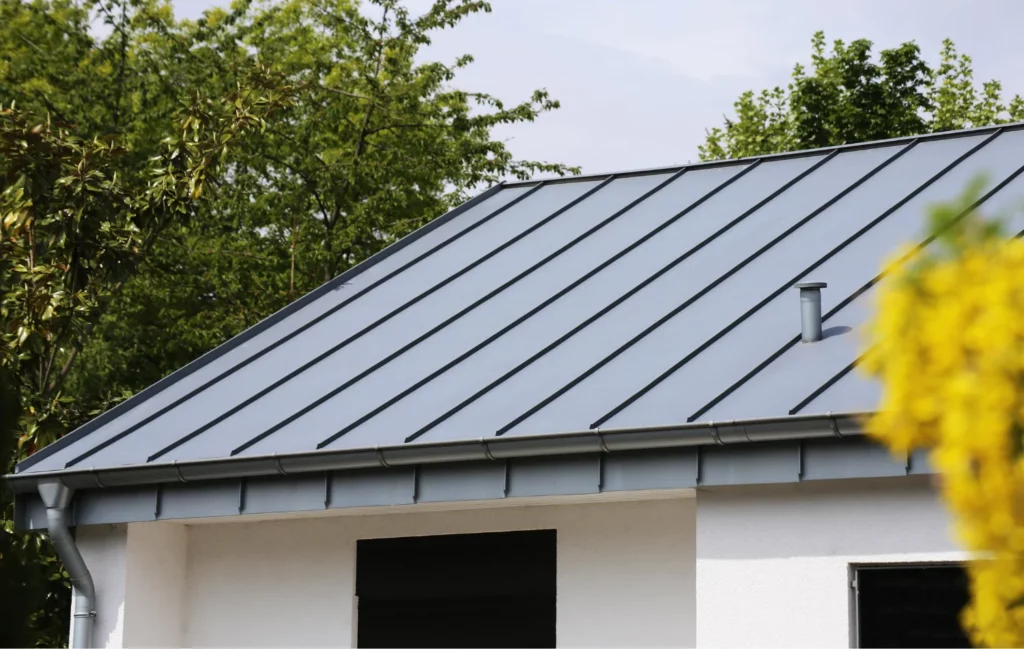
They may not look like much, but pipe boots—those rubber or metal covers that seal around plumbing vent pipes—are one of the most common sources of roof leaks we see in Jasper. Why? Because they’re small, often overlooked, and they wear out long before the shingles do. Left unchecked, a cracked or brittle boot can let water run straight into your attic every time it rains.
We’ve seen leaks from pipe boots cause ceiling stains, rotted decking, and even mold in insulation—all because a $10 part wasn’t replaced on time.
How It Happens
- UV damage: Sun exposure breaks down the rubber or plastic on pipe boots over time, causing them to dry out, crack, and split.
- Improper installation: If the boot isn’t fitted tightly or the flashing isn’t sealed correctly, water slides right in during heavy rain.
- Age mismatch: Many roofs outlast their original boots. Even on a newer roof, if the boots weren’t upgraded, they can fail early.
- Storm damage: Hail and debris can puncture or dislodge boots, especially on steeper slopes or exposed rooflines.
Because most vent pipes are small and centrally located, water from a failed boot can travel in all directions beneath the roof surface before showing up indoors.
How to Fix It
- Inspect boots annually, especially if your roof is more than 5–7 years old or you’ve had recent storms.
- Replace cracked or worn boots with high-quality rubber, lead, or aluminum versions rated for long-term weather exposure.
- Install proper flashing around the base of the pipe to redirect water flow and seal transitions.
- Double-seal with flashing cement or compatible sealant at vulnerable edges—especially on high-pitch roofs where runoff is fast.
At Miller Roofing, we don’t just check the obvious. We look at the whole system—including the small, hidden pieces most contractors skip. Because in our experience, it’s usually the smallest part that causes the biggest leak.

5. Poor Roof Valleys or Improper Sealing
Roof valleys are where two roof slopes meet—and they handle more water runoff than almost any other part of the roof. In Jasper, where rainstorms can dump several inches of water in a single afternoon, valleys become stress points. If they’re not sealed or installed correctly, that volume of water quickly finds its way beneath the shingles and into the structure.
At Miller Roofing, we treat roof valleys as high-risk zones. Whether we’re inspecting for leaks or installing a new system, we look at valleys closely—because they’re one of the first places we see signs of hidden water damage.
How It Happens
- Improper installation: Many roof valleys are installed without adequate underlayment or with poor overlap technique, which allows water to sneak in between layers.
- Shingle misalignment: If shingles are cut too short or not laid with proper spacing, water follows the path of least resistance—under the shingles.
- Debris buildup: Valleys collect leaves, pine needles, and dirt. This blocks water flow and leads to standing water or seepage.
- Sealant failure: Over time, any caulking or tar-based materials used in valleys can dry out and crack, especially in Jasper’s summer heat.
Even roofs that look fine from the outside can hide serious valley damage—because the water entry point is usually narrow and spreads slowly inside the structure.
How to Fix It
- Remove and replace damaged valley sections using a layered approach with reinforced synthetic underlayment and water-resistant barriers.
- Reinstall shingles with proper cuts and overlap, maintaining the correct gap for water flow and sealing where necessary.
- Clean out debris and check for ponding or signs of slow runoff, especially after heavy rain.
- Avoid quick fixes. Applying sealant alone may mask the problem temporarily, but real protection requires correcting the structural or installation issue beneath.
We’ve fixed dozens of valley leaks where the problem was invisible until insulation was soaked or ceiling damage appeared. At Miller Roofing, we know where to look—and how to repair it the right way.
Why Miller Roofing Is Jasper’s Roof Leak Specialist
When your roof leaks, you don’t need vague advice or band-aid fixes—you need a team that understands where water hides, how damage spreads, and what works in your climate. At Miller Roofing, we’ve repaired thousands of roof leaks across Jasper and Walker County. And we’ve seen it all: the storm damage that wasn’t caught in time, the “repairs” that made things worse, and the costly damage that started with a small oversight.
We fix roof leaks the way they should’ve been built in the first place—correctly, completely, and without cutting corners.
Over 2,600 Projects in Walker County Homes
We’re not a pop-up crew. We’re local. Our team has worked on every type of residential roof in this area—ranch-style homes, steep-pitch roofs, historic properties, and everything in between. That experience matters, because Jasper’s climate poses specific challenges that out-of-town contractors often miss.
- High humidity and seasonal storms? We know what materials hold up.
- Flashing failures common in older homes? We know where they tend to show up.
- Shingle systems breaking down after 8–10 years? We’ve replaced them—fast.
It’s not just what we know. It’s that we’ve done it here, for decades.
No Guesswork—Just Straightforward Repairs
We don’t guess. We don’t upsell. And we don’t leave homeowners with half-solutions.
Every leak we repair is diagnosed at the source, documented clearly, and addressed with the right fix—not the fastest or cheapest one. We show you exactly where the problem starts and how we’ll make it right. Whether it’s one vent boot or a full valley replacement, we only recommend what you need—and we back it with real workmanship warranties.
That’s how we’ve earned the trust of Jasper homeowners for more than 50 years.
Spot a Leak? Don’t Wait. Call Miller Roofing.
Roof leaks don’t fix themselves—and the longer you wait, the worse (and more expensive) the damage gets. Whether you’ve noticed a stain, drip, or just suspect something’s not right, Miller Roofing is ready to help.
We’re fast. We’re local. And we know exactly what it takes to stop leaks in Jasper homes—before they turn into bigger problems.
Call today. Let’s fix it right the first time.