Hail Doesn’t Have to Be Huge to Wreck Your Roof
In Jasper, it doesn’t take massive hail to cause real roofing damage. Some of the worst leaks we’ve seen didn’t follow a tornado or golf-ball-sized storm—they came after a fast-moving system with quarter-sized hail that no one thought twice about.
Not All Damage Looks Like Damage
Most homeowners don’t realize that hail bruises shingles. The top layer of granules gets knocked loose, exposing the asphalt layer underneath. This weakens the shingle, making it brittle, vulnerable to UV damage, and more likely to crack during future storms. And you won’t see it from your driveway.
What starts as a few granules lost today becomes a leak three months from now—often under perfectly dry skies.
You also won’t see:
- Cracked sealant along vents or flashing
- Dents in ridge caps or pipe boots
- Small splits that soak water into decking after every rain
These are the things we look for. Because once they start, they don’t stop on their own.

Miller Roofing Has Seen the Pattern—And We Know What’s Next
After every hailstorm in Walker County, our phones start ringing two ways:
- Homeowners calling immediately, unsure if there’s damage
- Homeowners calling months later—after a ceiling stain appears or a spot in the attic smells musty
The first group usually gets a simple repair. The second group needs far more. That’s the difference early identification makes. You don’t have to panic. But you do need a real answer—from someone who’s seen what these storms really leave behind.
The Subtle Signs Hail Left Its Mark
Not all hail damage is dramatic. In fact, the most expensive roof repairs we handle often come from hailstorms that looked like “no big deal” at the time. Homeowners glance at their roofs, don’t see any obvious problems, and move on—until the damage shows up in their ceilings, insulation, or walls.
Hail leaves a unique signature. The key is knowing where to look—and what you’re actually seeing.
Signs You Might Notice from the Ground
Some hail damage does leave visible clues if you know what to watch for. After a storm, walk the perimeter of your home and check:
- Shingles that look blotchy or discolored — this can mean granule loss
- Granules in the gutters or at the base of downspouts
- Metal components like gutters, vents, or flashing that show dents or dimples
- Small pieces of shingle debris on the ground — a sign that impact tore material loose
These clues don’t always mean you have a leak—but they do mean the roof took a hit. And without follow-up, what’s cosmetic today becomes structural later.
Damage You’ll Only Spot on the Roof
The real problems usually aren’t visible until someone gets up there.
At Miller Roofing, we know where to check because we’ve done it thousands of times across Jasper. We look beyond the surface for:
- Soft spots under shingles, where the asphalt has been bruised and compromised
- Hairline cracks in flashing or ridge caps, especially along seams
- Lifted shingles or exposed fasteners, which may have loosened during impact
- Impact points on vent boots, which can let water in around pipes
This kind of damage doesn’t announce itself with a flood. It starts with a slow leak, invisible mold, or insulation that stays damp for weeks before anyone notices. And that’s the danger—not knowing it’s already started.
What Happens If You Don’t Fix Hail Damage Right Away
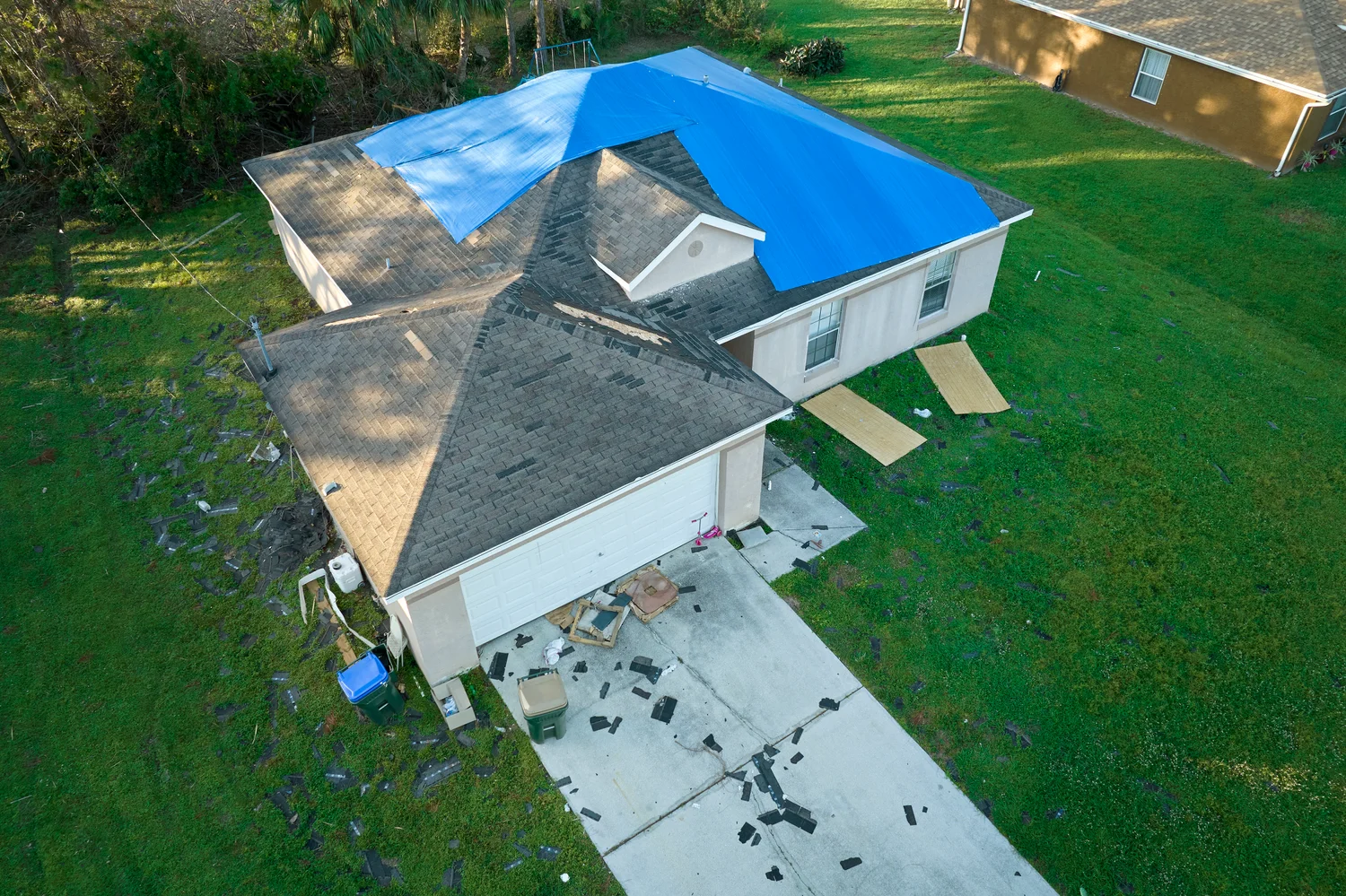
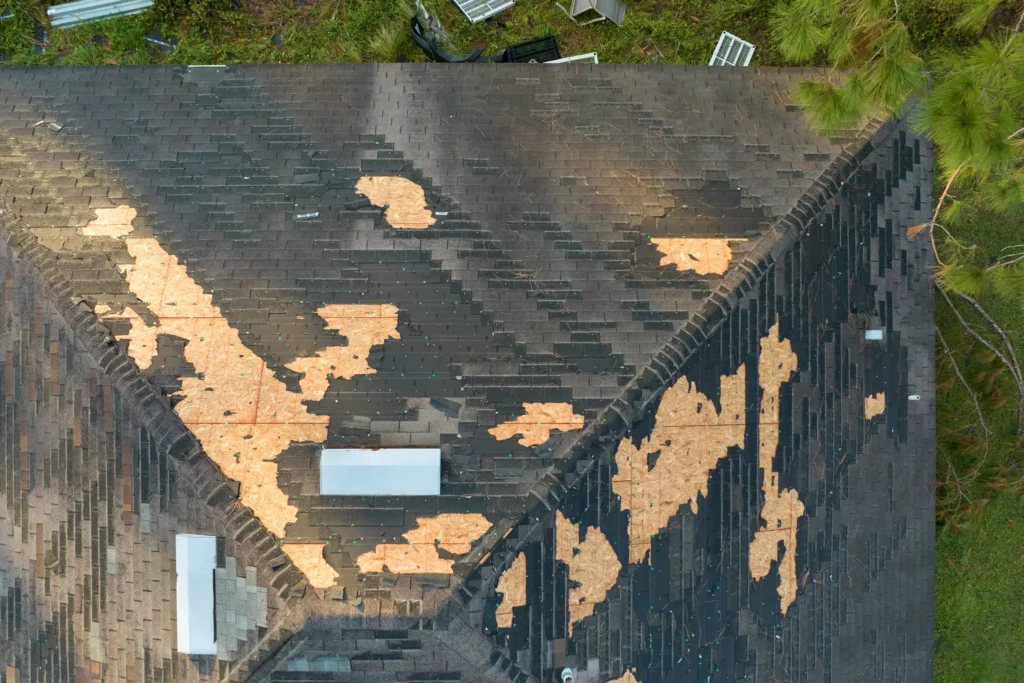
Hail damage rarely causes instant catastrophe—but the clock starts ticking the moment your roof takes a hit. What seems minor now becomes major in a few weeks or months. We’ve seen it time and again across Jasper: a roof left untouched after a hailstorm becomes a mold remediation, a ceiling replacement, or a full deck tear-out.
Delaying repairs doesn’t save you money—it compounds the cost.
Small Damage = Big Consequences
When hail strips granules or cracks flashing, it exposes your roof to constant water intrusion. At first, that moisture may only affect a small section of the decking. But over time, it spreads:
- Wet insulation loses its effectiveness and invites mold
- Roof decking softens, sags, or rots
- Ceiling stains and drywall warping begin to appear inside the home
- Structural wood may need to be replaced if damage reaches trusses
By the time interior signs appear, the underlying damage is already advanced—and expensive.
Insurance Won’t Wait Forever
Another issue many Jasper homeowners don’t realize: your insurance company has a timeline. Most policies only allow a limited window—sometimes as little as 6–12 months—to report hail damage and file a claim.
Miss that window, and even valid damage might not be covered.
That’s why Miller Roofing doesn’t just repair—we document. We give you photos, written findings, and clear next steps so you’re not left guessing when it comes to coverage. The earlier you identify the damage, the more options you have—and the more leverage you keep with your insurer.
What Miller Roofing Does That Other Crews Don’t
In Jasper, roofing companies come and go. Some show up after every major storm, knock out fast repairs, then disappear before the first callback. That’s not how we operate.
Miller Roofing has been protecting Jasper homes for decades, and hail damage is one of the things we handle best—not just because we’ve done it thousands of times, but because we know what good repairs actually require.
We Don’t Guess—We Document Everything
Our process starts with evidence. We don’t offer vague opinions or scare tactics. We inspect thoroughly, document clearly, and walk you through exactly what we’ve found—whether it’s a few bruised shingles or widespread hail impact that warrants a full replacement.
What you get from us:
- Clear photos of hail strikes and compromised materials
- Honest assessment of severity and scope
- Help navigating the insurance claim process
- A professional, detailed repair or replacement plan
No pressure. No shortcuts. Just answers.
Built for Hail. Backed for Decades.
We don’t just patch. We install materials rated for hail resistance, including:
- Class 3 or Class 4 impact-resistant shingles
- Proper underlayment and waterproofing in known hail zones
- Sealants and flashing systems that actually hold up over time
And because we stand behind our work, you’re covered by our 10–25 year workmanship warranties—backed by the same team that’s served this region for over 50 years. When we repair a hail-damaged roof, we don’t just restore it—we make it stronger than it was before the storm.
Not Sure If Your Roof Took a Hit? Let’s Find Out.
You don’t need to guess. You don’t need to climb on your roof. And you definitely don’t need to wait until a leak tells you what hail already started.
At Miller Roofing, we make it simple. One visit. A clear answer. And if there’s damage, we’ll show you exactly what it is—no pressure, no confusion, and no surprises when it comes time to deal with insurance.
We’ve inspected and repaired thousands of hail-damaged roofs in Jasper. We know what to look for. We know how to fix it right. And we’re ready when you are.
Don’t wait for damage to show up inside. Get answers now—before hail damage costs you more than it should.